The twelve houses in vedic astrology
The twelve houses in vedic astrology are the twelve areas of life through which a birth chart speaks. Signs describe the style of energy, but houses show where that energy plays out in real life. So what do people really want to know when they search this topic? Usually it is this: which part of life is being shaped right now, and why does one person struggle in marriage while another feels blocked in career, money, or peace of mind? That is why the houses matter so much. They turn a chart from symbols into lived experience.
The 1st, 2nd, and 3rd houses
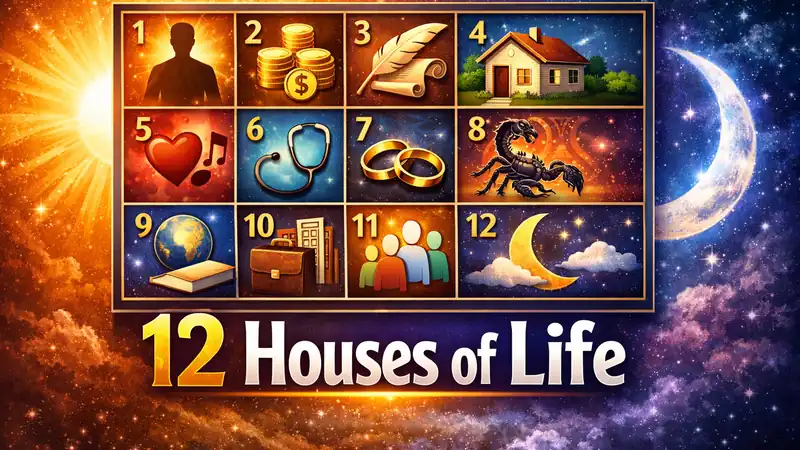
The 1st, 2nd, and 3rd houses begin the story of identity and effort. The 1st House, or Lagna, shows personality, physical appearance, health, character, and self-expression. It is the lens through which the whole chart is read, so if someone asks, “Why do I react to life the way I do?” the answer often begins here. The 2nd House moves toward wealth, family, speech, stored assets, and early education; it shows not only what a person earns, but also how they speak, what they value, and how secure they feel. The 3rd House brings courage, communication, siblings, short journeys, initiative, and willpower. Ever wondered why some people keep trying even after setbacks while others hesitate? The 3rd house often explains that inner drive.
The 1st House, or Lagna
The 1st House, or Lagna, shows personality, physical appearance, health, character, and self-expression. It is the lens through which the whole chart is read, so if someone asks, “Why do I react to life the way I do?” the answer often begins here.
The 2nd House
The 2nd House moves toward wealth, family, speech, stored assets, and early education; it shows not only what a person earns, but also how they speak, what they value, and how secure they feel.
The 3rd House
The 3rd House brings courage, communication, siblings, short journeys, initiative, and willpower. Ever wondered why some people keep trying even after setbacks while others hesitate? The 3rd house often explains that inner drive.
The 4th, 5th, and 6th houses
The 4th, 5th, and 6th houses take the chart deeper into emotional life, intelligence, and daily struggle. The 4th House represents home, mother, property, vehicles, private comfort, and emotional happiness. A person may have success outside, but do they feel peaceful inside their own space? That question belongs to the 4th house. The 5th House rules creativity, children, romance, education, intelligence, and past life karma. It is often linked with joy, but its hidden role is also to show how naturally wisdom and expression flow. The 6th House covers diseases, debt, enemies, service, routines, and the practical fights of everyday life. Why do some lessons arrive through pressure, competition, or health issues? Because the 6th house often builds strength through friction.
The 4th House
The 4th House represents home, mother, property, vehicles, private comfort, and emotional happiness. A person may have success outside, but do they feel peaceful inside their own space? That question belongs to the 4th house.
The 5th House
The 5th House rules creativity, children, romance, education, intelligence, and past life karma. It is often linked with joy, but its hidden role is also to show how naturally wisdom and expression flow.
The 6th House
The 6th House covers diseases, debt, enemies, service, routines, and the practical fights of everyday life. Why do some lessons arrive through pressure, competition, or health issues? Because the 6th house often builds strength through friction.
The 7th, 8th, and 9th houses
The 7th, 8th, and 9th houses shift the focus from personal effort to relationship, transformation, and higher meaning. The 7th House governs marriage, partnerships, business alliances, and public dealings. When someone asks, “What does my chart say about commitment or the kind of people I attract?” this house becomes central. The 8th House is one of the most misunderstood houses because it rules longevity, secrets, inheritance, sudden events, mysteries, and deep transformation. Its hidden house meanings are powerful: it often shows where life forces surrender, inner change, and emotional rebirth. The 9th House represents luck, higher learning, fortune, religion, father, ethics, and blessings from past karma. If the question is, “Why does grace seem to support some people at key moments?” the 9th house is usually part of the answer.
The 7th House
The 7th House governs marriage, partnerships, business alliances, and public dealings. When someone asks, “What does my chart say about commitment or the kind of people I attract?” this house becomes central.
The 8th House
The 8th House is one of the most misunderstood houses because it rules longevity, secrets, inheritance, sudden events, mysteries, and deep transformation. Its hidden house meanings are powerful: it often shows where life forces surrender, inner change, and emotional rebirth.
The 9th House
The 9th House represents luck, higher learning, fortune, religion, father, ethics, and blessings from past karma. If the question is, “Why does grace seem to support some people at key moments?” the 9th house is usually part of the answer.
The 10th, 11th, and 12th houses
The 10th, 11th, and 12th houses complete the outer expression of life. The 10th House is career, authority, status, profession, reputation, and visible karma in the world. This is the house people naturally look at for work, leadership, and public success, but it also asks a harder question: what are you truly known for? The 11th House is connected with gains, income, friendships, elder siblings, networks, and fulfilment of desires. It shows not only earnings, but also the support system that helps ambitions materialize. The 12th House deals with losses, expenses, isolation, sleep, foreign lands, the subconscious, and moksha. People often fear it because it speaks of endings and letting go, but it can also show spiritual depth, retreat, healing through solitude, and release from patterns that no longer serve a purpose.
The 10th House
The 10th House is career, authority, status, profession, reputation, and visible karma in the world. This is the house people naturally look at for work, leadership, and public success, but it also asks a harder question: what are you truly known for?
The 11th House
The 11th House is connected with gains, income, friendships, elder siblings, networks, and fulfilment of desires. It shows not only earnings, but also the support system that helps ambitions materialize.
The 12th House
The 12th House deals with losses, expenses, isolation, sleep, foreign lands, the subconscious, and moksha. People often fear it because it speaks of endings and letting go, but it can also show spiritual depth, retreat, healing through solitude, and release from patterns that no longer serve a purpose.
The 12 houses of life
Seen together, these are the 12 houses of life. They do not work in isolation, and that is where many simple explanations fall short. A money problem may not come from the 2nd house alone; it can involve the 6th house of debt, the 10th house of profession, and the 11th house of gains. A relationship issue may not belong to the 7th house only; the 2nd house of family, the 4th house of emotional security, and the 8th house of intimacy can all be involved. So how should these houses really be read? As a connected chain, not as separate boxes.
The house groups
The house groups make this easier to understand. The Kendra houses—1, 4, 7, and 10—form the foundation of life and deal with stability, responsibility, and visible structure. The Trikona houses—1, 5, and 9—are linked with blessings, purpose, intelligence, and dharma. The Upachaya houses—3, 6, 10, and 11—improve with time and often reward effort, discipline, and maturity. The Dusthana houses—6, 8, and 12—bring challenges, karmic lessons, and inner work. Does that mean dusthana houses are simply bad? Not really. They are often difficult, but they can produce resilience, depth, healing, and transformation that easier houses never demand.
The Kendra houses
The Kendra houses—1, 4, 7, and 10—form the foundation of life and deal with stability, responsibility, and visible structure.
The Trikona houses
The Trikona houses—1, 5, and 9—are linked with blessings, purpose, intelligence, and dharma.
The Upachaya houses
The Upachaya houses—3, 6, 10, and 11—improve with time and often reward effort, discipline, and maturity.
The Dusthana houses
The Dusthana houses—6, 8, and 12—bring challenges, karmic lessons, and inner work. Does that mean dusthana houses are simply bad? Not really. They are often difficult, but they can produce resilience, depth, healing, and transformation that easier houses never demand.
Which house is active
A very common search today is which house is active, and the practical answer is that an active house is usually the one whose themes keep repeating in life. If career decisions, public recognition, pressure from authority, or professional changes dominate a period, the 10th house may be activated. If marriage, business partnership, or one-to-one conflicts come to the front, the 7th house may be speaking louder. If expenses, withdrawal, sleep, foreign connections, or spiritual searching suddenly increase, the 12th house may be active. In other words, the active house is often recognized through repeating events, emotional focus, and the life area demanding the most attention.
Hidden house meanings
People also search for hidden house meanings because surface labels do not always explain lived experience. The 4th house is not just property; it can show how safe a person feels inside. The 2nd house is not just money; it reflects values, speech, and the ability to hold stability. The 8th house is not only crisis; it shows psychological depth and how a person transforms after loss, shock, or truth. The 12th house is not only expense; it can reveal surrender, inner healing, solitude, and spiritual release. What looks negative at first glance can carry a deeper lesson, and what looks positive can become weak if it is not supported elsewhere in the chart.
Why understanding the twelve houses matters
Understanding the twelve houses in vedic astrology matters because people do not come to astrology just to memorize house names; they want clarity about why life is unfolding in a certain pattern. If the same issues keep repeating in health, money, family, marriage, or peace of mind, ignoring the house structure only creates more confusion. The houses show where the pressure is, where the support is, and where change is possible. When that pattern becomes clear, decisions become clearer too. And if the chart still feels difficult to interpret, timely guidance from a knowledgeable astrologer can help turn scattered questions into a focused direction.
English FAQs
What do the twelve houses in vedic astrology represent?
The twelve houses in vedic astrology are the twelve areas of life through which a birth chart speaks. Signs describe the style of energy, but houses show where that energy plays out in real life. They help explain which part of life is being shaped and why different people experience challenges in areas like marriage, career, money, or peace of mind.
Why are the houses important in a birth chart?
The houses matter because they turn a chart from symbols into lived experience. They show where life events happen and help answer real questions about struggles, growth, and patterns in different areas of life.
What does the 1st House or Lagna represent?
The 1st House, or Lagna, shows personality, physical appearance, health, character, and self-expression. It is the lens through which the whole chart is read and often explains why a person reacts to life in a certain way.
What does the 2nd House show in vedic astrology?
The 2nd House represents wealth, family, speech, stored assets, and early education. It shows not only what a person earns, but also how they speak, what they value, and how secure they feel.
Why is the 3rd House linked with courage and effort?
The 3rd House brings courage, communication, siblings, short journeys, initiative, and willpower. It often explains why some people keep trying even after setbacks while others hesitate.
What does the 4th House reveal about a person?
The 4th House represents home, mother, property, vehicles, private comfort, and emotional happiness. It answers whether a person feels peaceful inside their own space even if they have success outside.
What is the deeper meaning of the 5th House?
The 5th House rules creativity, children, romance, education, intelligence, and past life karma. Beyond joy, it shows how naturally wisdom and expression flow.
Why is the 6th House associated with struggle?
The 6th House covers diseases, debt, enemies, service, routines, and daily challenges. It often brings lessons through pressure, competition, or health issues and builds strength through friction.
What does the 7th House say about relationships?
The 7th House governs marriage, partnerships, business alliances, and public dealings. It helps answer questions about commitment and the kind of people a person attracts.
Why is the 8th House considered powerful and misunderstood?
The 8th House rules longevity, secrets, inheritance, sudden events, mysteries, and deep transformation. It often shows where life forces surrender, inner change, and emotional rebirth.
What role does the 9th House play in luck and blessings?
The 9th House represents luck, higher learning, fortune, religion, father, ethics, and blessings from past karma. It explains why some people receive support or grace at important moments.
What does the 10th House indicate about career?
The 10th House is career, authority, status, profession, reputation, and visible karma in the world. It shows not only work and success but also what a person is truly known for.
How does the 11th House relate to gains and desires?
The 11th House is connected with gains, income, friendships, elder siblings, networks, and fulfilment of desires. It shows both earnings and the support system that helps ambitions materialize.
What does the 12th House represent beyond losses?
The 12th House deals with losses, expenses, isolation, sleep, foreign lands, the subconscious, and moksha. It can also show spiritual depth, healing through solitude, and release from patterns that no longer serve a purpose.
Do houses work independently in astrology?
No, the houses do not work in isolation. A single issue like money or relationships often involves multiple houses working together, so they should be read as a connected chain rather than separate boxes.
What are Kendra, Trikona, Upachaya, and Dusthana houses?
Kendra houses (1, 4, 7, 10) form the foundation of life. Trikona houses (1, 5, 9) relate to blessings and purpose. Upachaya houses (3, 6, 10, 11) improve with time and effort. Dusthana houses (6, 8, 12) bring challenges, karmic lessons, and inner work.
Which house is considered active in a chart?
An active house is usually the one whose themes keep repeating in life. It is recognized through recurring events, emotional focus, and the life area that demands the most attention at a given time.
What are hidden house meanings in vedic astrology?
Hidden house meanings go beyond surface labels. For example, the 4th house reflects inner emotional security, the 2nd house shows values and speech, the 8th house reveals psychological depth and transformation, and the 12th house indicates spiritual release and healing.
Why is understanding the twelve houses important?
Understanding the twelve houses matters because people seek clarity about life patterns. The houses show where pressure exists, where support is available, and where change is possible, helping make better decisions and reduce confusion.
Hindi Transcript (हिंदी प्रतिलेख)
वैदिक ज्योतिष में बारह भाव
वैदिक ज्योतिष में बारह भाव जीवन के वे बारह क्षेत्र हैं जिनके माध्यम से जन्म कुंडली बोलती है। राशियाँ ऊर्जा की शैली बताती हैं, लेकिन भाव यह दिखाते हैं कि वह ऊर्जा वास्तविक जीवन में कहाँ प्रकट होती है। तो जब लोग इस विषय को खोजते हैं तो वे वास्तव में क्या जानना चाहते हैं? आमतौर पर यह: अभी जीवन का कौन सा हिस्सा आकार ले रहा है, और क्यों एक व्यक्ति विवाह में संघर्ष करता है जबकि दूसरा करियर, धन या मानसिक शांति में रुकावट महसूस करता है? यही कारण है कि भाव इतने महत्वपूर्ण हैं। वे कुंडली को प्रतीकों से निकालकर वास्तविक अनुभव में बदल देते हैं।
पहला, दूसरा और तीसरा भाव
पहला, दूसरा और तीसरा भाव पहचान और प्रयास की कहानी की शुरुआत करते हैं। पहला भाव, या लग्न, व्यक्तित्व, शारीरिक बनावट, स्वास्थ्य, चरित्र और आत्म-अभिव्यक्ति को दर्शाता है। यह वह दृष्टिकोण है जिसके माध्यम से पूरी कुंडली को पढ़ा जाता है, इसलिए यदि कोई पूछता है, “मैं जीवन पर इस तरह प्रतिक्रिया क्यों देता हूँ?” तो इसका उत्तर अक्सर यहीं से शुरू होता है। दूसरा भाव धन, परिवार, वाणी, संचित संपत्ति और प्रारंभिक शिक्षा की ओर बढ़ता है; यह केवल यह नहीं दिखाता कि व्यक्ति क्या कमाता है, बल्कि यह भी कि वह कैसे बोलता है, क्या महत्व देता है और कितना सुरक्षित महसूस करता है। तीसरा भाव साहस, संचार, भाई-बहन, छोटी यात्राएँ, पहल और इच्छाशक्ति को लाता है। क्या आपने कभी सोचा है कि कुछ लोग असफलताओं के बाद भी प्रयास करते रहते हैं जबकि अन्य हिचकिचाते हैं? तीसरा भाव अक्सर उस आंतरिक प्रेरणा को समझाता है।
पहला भाव या लग्न
पहला भाव, या लग्न, व्यक्तित्व, शारीरिक बनावट, स्वास्थ्य, चरित्र और आत्म-अभिव्यक्ति को दर्शाता है। यह वह दृष्टिकोण है जिसके माध्यम से पूरी कुंडली को पढ़ा जाता है, इसलिए यदि कोई पूछता है, “मैं जीवन पर इस तरह प्रतिक्रिया क्यों देता हूँ?” तो इसका उत्तर अक्सर यहीं से शुरू होता है।
दूसरा भाव
दूसरा भाव धन, परिवार, वाणी, संचित संपत्ति और प्रारंभिक शिक्षा की ओर बढ़ता है; यह केवल यह नहीं दिखाता कि व्यक्ति क्या कमाता है, बल्कि यह भी कि वह कैसे बोलता है, क्या महत्व देता है और कितना सुरक्षित महसूस करता है।
तीसरा भाव
तीसरा भाव साहस, संचार, भाई-बहन, छोटी यात्राएँ, पहल और इच्छाशक्ति को लाता है। क्या आपने कभी सोचा है कि कुछ लोग असफलताओं के बाद भी प्रयास करते रहते हैं जबकि अन्य हिचकिचाते हैं? तीसरा भाव अक्सर उस आंतरिक प्रेरणा को समझाता है।
चौथा, पाँचवाँ और छठा भाव
चौथा, पाँचवाँ और छठा भाव कुंडली को भावनात्मक जीवन, बुद्धि और दैनिक संघर्ष में गहराई तक ले जाते हैं। चौथा भाव घर, माँ, संपत्ति, वाहन, निजी आराम और भावनात्मक सुख का प्रतिनिधित्व करता है। एक व्यक्ति बाहरी सफलता प्राप्त कर सकता है, लेकिन क्या वह अपने ही स्थान में शांति महसूस करता है? यह प्रश्न चौथे भाव से संबंधित है। पाँचवाँ भाव रचनात्मकता, संतान, प्रेम, शिक्षा, बुद्धि और पूर्व जन्म के कर्म को नियंत्रित करता है। इसे अक्सर आनंद से जोड़ा जाता है, लेकिन इसकी छिपी भूमिका यह भी दिखाना है कि ज्ञान और अभिव्यक्ति कितनी सहजता से प्रवाहित होती है। छठा भाव रोग, ऋण, शत्रु, सेवा, दिनचर्या और दैनिक जीवन के व्यावहारिक संघर्षों को कवर करता है। कुछ सबक दबाव, प्रतिस्पर्धा या स्वास्थ्य समस्याओं के माध्यम से क्यों आते हैं? क्योंकि छठा भाव अक्सर संघर्ष के माध्यम से शक्ति बनाता है।
चौथा भाव
चौथा भाव घर, माँ, संपत्ति, वाहन, निजी आराम और भावनात्मक सुख का प्रतिनिधित्व करता है। एक व्यक्ति बाहरी सफलता प्राप्त कर सकता है, लेकिन क्या वह अपने ही स्थान में शांति महसूस करता है? यह प्रश्न चौथे भाव से संबंधित है।
पाँचवाँ भाव
पाँचवाँ भाव रचनात्मकता, संतान, प्रेम, शिक्षा, बुद्धि और पूर्व जन्म के कर्म को नियंत्रित करता है। इसे अक्सर आनंद से जोड़ा जाता है, लेकिन इसकी छिपी भूमिका यह भी दिखाना है कि ज्ञान और अभिव्यक्ति कितनी सहजता से प्रवाहित होती है।
छठा भाव
छठा भाव रोग, ऋण, शत्रु, सेवा, दिनचर्या और दैनिक जीवन के व्यावहारिक संघर्षों को कवर करता है। कुछ सबक दबाव, प्रतिस्पर्धा या स्वास्थ्य समस्याओं के माध्यम से क्यों आते हैं? क्योंकि छठा भाव अक्सर संघर्ष के माध्यम से शक्ति बनाता है।
सातवाँ, आठवाँ और नौवाँ भाव
सातवाँ, आठवाँ और नौवाँ भाव ध्यान को व्यक्तिगत प्रयास से संबंध, परिवर्तन और उच्च अर्थ की ओर ले जाते हैं। सातवाँ भाव विवाह, साझेदारी, व्यापारिक गठबंधन और सार्वजनिक संबंधों को नियंत्रित करता है। जब कोई पूछता है, “मेरी कुंडली प्रतिबद्धता या उन लोगों के बारे में क्या कहती है जिन्हें मैं आकर्षित करता हूँ?” तो यह भाव महत्वपूर्ण हो जाता है। आठवाँ भाव सबसे अधिक गलत समझे जाने वाले भावों में से एक है क्योंकि यह आयु, रहस्य, विरासत, अचानक घटनाएँ, रहस्यमय बातें और गहरे परिवर्तन को नियंत्रित करता है। इसके छिपे अर्थ शक्तिशाली होते हैं: यह अक्सर दिखाता है कि जीवन कहाँ समर्पण, आंतरिक बदलाव और भावनात्मक पुनर्जन्म को मजबूर करता है। नौवाँ भाव भाग्य, उच्च शिक्षा, सौभाग्य, धर्म, पिता, नैतिकता और पिछले कर्मों के आशीर्वाद का प्रतिनिधित्व करता है। यदि प्रश्न यह है, “क्यों कुछ लोगों को महत्वपूर्ण क्षणों पर कृपा का साथ मिलता है?” तो नौवाँ भाव अक्सर उत्तर का हिस्सा होता है।
सातवाँ भाव
सातवाँ भाव विवाह, साझेदारी, व्यापारिक गठबंधन और सार्वजनिक संबंधों को नियंत्रित करता है। जब कोई पूछता है, “मेरी कुंडली प्रतिबद्धता या उन लोगों के बारे में क्या कहती है जिन्हें मैं आकर्षित करता हूँ?” तो यह भाव महत्वपूर्ण हो जाता है।
आठवाँ भाव
आठवाँ भाव सबसे अधिक गलत समझे जाने वाले भावों में से एक है क्योंकि यह आयु, रहस्य, विरासत, अचानक घटनाएँ, रहस्यमय बातें और गहरे परिवर्तन को नियंत्रित करता है। इसके छिपे अर्थ शक्तिशाली होते हैं: यह अक्सर दिखाता है कि जीवन कहाँ समर्पण, आंतरिक बदलाव और भावनात्मक पुनर्जन्म को मजबूर करता है।
नौवाँ भाव
नौवाँ भाव भाग्य, उच्च शिक्षा, सौभाग्य, धर्म, पिता, नैतिकता और पिछले कर्मों के आशीर्वाद का प्रतिनिधित्व करता है। यदि प्रश्न यह है, “क्यों कुछ लोगों को महत्वपूर्ण क्षणों पर कृपा का साथ मिलता है?” तो नौवाँ भाव अक्सर उत्तर का हिस्सा होता है।
दसवाँ, ग्यारहवाँ और बारहवाँ भाव
दसवाँ, ग्यारहवाँ और बारहवाँ भाव जीवन की बाहरी अभिव्यक्ति को पूरा करते हैं। दसवाँ भाव करियर, अधिकार, स्थिति, पेशा, प्रतिष्ठा और दुनिया में दिखाई देने वाले कर्म का प्रतिनिधित्व करता है। लोग स्वाभाविक रूप से काम, नेतृत्व और सार्वजनिक सफलता के लिए इस भाव को देखते हैं, लेकिन यह एक कठिन प्रश्न भी पूछता है: वास्तव में आप किस चीज़ के लिए जाने जाते हैं? ग्यारहवाँ भाव लाभ, आय, मित्रता, बड़े भाई-बहन, नेटवर्क और इच्छाओं की पूर्ति से जुड़ा है। यह केवल कमाई ही नहीं, बल्कि उस सहयोग प्रणाली को भी दिखाता है जो महत्वाकांक्षाओं को साकार करने में मदद करती है। बारहवाँ भाव हानि, खर्च, एकांत, नींद, विदेश, अवचेतन और मोक्ष से संबंधित है। लोग अक्सर इससे डरते हैं क्योंकि यह अंत और छोड़ने की बात करता है, लेकिन यह आध्यात्मिक गहराई, एकांत में उपचार और उन पैटर्न से मुक्ति भी दिखा सकता है जो अब किसी उद्देश्य की पूर्ति नहीं करते।
दसवाँ भाव
दसवाँ भाव करियर, अधिकार, स्थिति, पेशा, प्रतिष्ठा और दुनिया में दिखाई देने वाले कर्म का प्रतिनिधित्व करता है। लोग स्वाभाविक रूप से काम, नेतृत्व और सार्वजनिक सफलता के लिए इस भाव को देखते हैं, लेकिन यह एक कठिन प्रश्न भी पूछता है: वास्तव में आप किस चीज़ के लिए जाने जाते हैं?
ग्यारहवाँ भाव
ग्यारहवाँ भाव लाभ, आय, मित्रता, बड़े भाई-बहन, नेटवर्क और इच्छाओं की पूर्ति से जुड़ा है। यह केवल कमाई ही नहीं, बल्कि उस सहयोग प्रणाली को भी दिखाता है जो महत्वाकांक्षाओं को साकार करने में मदद करती है।
बारहवाँ भाव
बारहवाँ भाव हानि, खर्च, एकांत, नींद, विदेश, अवचेतन और मोक्ष से संबंधित है। लोग अक्सर इससे डरते हैं क्योंकि यह अंत और छोड़ने की बात करता है, लेकिन यह आध्यात्मिक गहराई, एकांत में उपचार और उन पैटर्न से मुक्ति भी दिखा सकता है जो अब किसी उद्देश्य की पूर्ति नहीं करते।
जीवन के 12 भाव
एक साथ देखें तो ये जीवन के 12 भाव हैं। ये अलग-अलग काम नहीं करते, और यहीं कई सरल व्याख्याएँ कम पड़ जाती हैं। धन की समस्या केवल दूसरे भाव से नहीं आ सकती; इसमें ऋण का छठा भाव, पेशे का दसवाँ भाव और लाभ का ग्यारहवाँ भाव भी शामिल हो सकता है। संबंध की समस्या केवल सातवें भाव तक सीमित नहीं हो सकती; परिवार का दूसरा भाव, भावनात्मक सुरक्षा का चौथा भाव और निकटता का आठवाँ भाव भी शामिल हो सकते हैं। तो इन भावों को वास्तव में कैसे पढ़ा जाना चाहिए? एक जुड़ी हुई श्रृंखला के रूप में, अलग-अलग खानों की तरह नहीं।
भावों के समूह
भावों के समूह इसे समझना आसान बनाते हैं। केंद्र भाव—1, 4, 7 और 10—जीवन की नींव बनाते हैं और स्थिरता, जिम्मेदारी और दृश्य संरचना से संबंधित होते हैं। त्रिकोण भाव—1, 5 और 9—आशीर्वाद, उद्देश्य, बुद्धि और धर्म से जुड़े होते हैं। उपचय भाव—3, 6, 10 और 11—समय के साथ बेहतर होते हैं और अक्सर प्रयास, अनुशासन और परिपक्वता को पुरस्कृत करते हैं। दुष्ट भाव—6, 8 और 12—चुनौतियाँ, कर्मिक पाठ और आंतरिक कार्य लाते हैं। क्या इसका मतलब है कि दुष्ट भाव केवल बुरे होते हैं? वास्तव में नहीं। वे अक्सर कठिन होते हैं, लेकिन वे ऐसी सहनशक्ति, गहराई, उपचार और परिवर्तन उत्पन्न कर सकते हैं जो आसान भाव कभी नहीं मांगते।
केंद्र भाव
केंद्र भाव—1, 4, 7 और 10—जीवन की नींव बनाते हैं और स्थिरता, जिम्मेदारी और दृश्य संरचना से संबंधित होते हैं।
त्रिकोण भाव
त्रिकोण भाव—1, 5 और 9—आशीर्वाद, उद्देश्य, बुद्धि और धर्म से जुड़े होते हैं।
उपचय भाव
उपचय भाव—3, 6, 10 और 11—समय के साथ बेहतर होते हैं और अक्सर प्रयास, अनुशासन और परिपक्वता को पुरस्कृत करते हैं।
दुष्ट भाव
दुष्ट भाव—6, 8 और 12—चुनौतियाँ, कर्मिक पाठ और आंतरिक कार्य लाते हैं। क्या इसका मतलब है कि दुष्ट भाव केवल बुरे होते हैं? वास्तव में नहीं। वे अक्सर कठिन होते हैं, लेकिन वे ऐसी सहनशक्ति, गहराई, उपचार और परिवर्तन उत्पन्न कर सकते हैं जो आसान भाव कभी नहीं मांगते।
कौन सा भाव सक्रिय है
आज एक बहुत आम खोज यह है कि कौन सा भाव सक्रिय है, और इसका व्यावहारिक उत्तर यह है कि सक्रिय भाव वही होता है जिसके विषय जीवन में बार-बार दोहराए जाते हैं। यदि करियर के निर्णय, सार्वजनिक पहचान, अधिकार से दबाव या पेशेवर बदलाव किसी अवधि में प्रमुख हैं, तो दसवाँ भाव सक्रिय हो सकता है। यदि विवाह, व्यापारिक साझेदारी या एक-से-एक संघर्ष सामने आते हैं, तो सातवाँ भाव अधिक प्रभावशाली हो सकता है। यदि खर्च, एकांत, नींद, विदेशी संबंध या आध्यात्मिक खोज अचानक बढ़ जाती है, तो बारहवाँ भाव सक्रिय हो सकता है। दूसरे शब्दों में, सक्रिय भाव को अक्सर दोहराए जाने वाले घटनाओं, भावनात्मक ध्यान और उस जीवन क्षेत्र के माध्यम से पहचाना जाता है जो सबसे अधिक ध्यान मांगता है।
भावों के छिपे अर्थ
लोग छिपे हुए भाव अर्थ भी खोजते हैं क्योंकि सतही लेबल हमेशा वास्तविक अनुभव को नहीं समझाते। चौथा भाव केवल संपत्ति नहीं है; यह दिखा सकता है कि व्यक्ति भीतर से कितना सुरक्षित महसूस करता है। दूसरा भाव केवल धन नहीं है; यह मूल्य, वाणी और स्थिरता को बनाए रखने की क्षमता को दर्शाता है। आठवाँ भाव केवल संकट नहीं है; यह मनोवैज्ञानिक गहराई और यह दिखाता है कि व्यक्ति हानि, झटके या सच्चाई के बाद कैसे बदलता है। बारहवाँ भाव केवल खर्च नहीं है; यह समर्पण, आंतरिक उपचार, एकांत और आध्यात्मिक मुक्ति को प्रकट कर सकता है। जो पहली नजर में नकारात्मक लगता है वह एक गहरा पाठ ला सकता है, और जो सकारात्मक दिखता है वह कमजोर हो सकता है यदि उसे कुंडली में कहीं और समर्थन न मिले।
बारह भावों को समझना क्यों महत्वपूर्ण है
वैदिक ज्योतिष में बारह भावों को समझना महत्वपूर्ण है क्योंकि लोग ज्योतिष में केवल भावों के नाम याद करने के लिए नहीं आते; वे यह समझना चाहते हैं कि जीवन एक निश्चित पैटर्न में क्यों आगे बढ़ रहा है। यदि स्वास्थ्य, धन, परिवार, विवाह या मानसिक शांति में वही समस्याएँ बार-बार दोहराई जाती हैं, तो भाव संरचना को नजरअंदाज करने से केवल भ्रम बढ़ता है। भाव यह दिखाते हैं कि दबाव कहाँ है, समर्थन कहाँ है और परिवर्तन कहाँ संभव है। जब यह पैटर्न स्पष्ट हो जाता है, तो निर्णय भी स्पष्ट हो जाते हैं। और यदि कुंडली को समझना अभी भी कठिन लगे, तो एक जानकार ज्योतिषी से समय पर मार्गदर्शन बिखरे हुए सवालों को एक स्पष्ट दिशा में बदल सकता है।
Hindi FAQs
वैदिक ज्योतिष में बारह भाव क्या दर्शाते हैं?
वैदिक ज्योतिष में बारह भाव जीवन के वे बारह क्षेत्र हैं जिनके माध्यम से जन्म कुंडली बोलती है। राशियाँ ऊर्जा की शैली बताती हैं, लेकिन भाव यह दिखाते हैं कि वह ऊर्जा वास्तविक जीवन में कहाँ प्रकट होती है। ये यह समझाने में मदद करते हैं कि जीवन का कौन सा हिस्सा आकार ले रहा है और क्यों अलग-अलग लोग विवाह, करियर, धन या मानसिक शांति जैसे क्षेत्रों में चुनौतियों का अनुभव करते हैं।
जन्म कुंडली में भाव क्यों महत्वपूर्ण होते हैं?
भाव महत्वपूर्ण होते हैं क्योंकि वे कुंडली को प्रतीकों से निकालकर वास्तविक अनुभव में बदल देते हैं। वे दिखाते हैं कि जीवन की घटनाएँ कहाँ घटित होती हैं और जीवन के विभिन्न क्षेत्रों में संघर्ष, विकास और पैटर्न से जुड़े वास्तविक प्रश्नों के उत्तर देते हैं।
पहला भाव या लग्न क्या दर्शाता है?
पहला भाव, या लग्न, व्यक्तित्व, शारीरिक बनावट, स्वास्थ्य, चरित्र और आत्म-अभिव्यक्ति को दर्शाता है। यह वह दृष्टिकोण है जिसके माध्यम से पूरी कुंडली को पढ़ा जाता है और यह अक्सर समझाता है कि व्यक्ति जीवन पर एक विशेष तरीके से प्रतिक्रिया क्यों देता है।
वैदिक ज्योतिष में दूसरा भाव क्या दिखाता है?
दूसरा भाव धन, परिवार, वाणी, संचित संपत्ति और प्रारंभिक शिक्षा का प्रतिनिधित्व करता है। यह केवल यह नहीं दिखाता कि व्यक्ति क्या कमाता है, बल्कि यह भी कि वह कैसे बोलता है, क्या महत्व देता है और कितना सुरक्षित महसूस करता है।
तीसरा भाव साहस और प्रयास से क्यों जुड़ा होता है?
तीसरा भाव साहस, संचार, भाई-बहन, छोटी यात्राएँ, पहल और इच्छाशक्ति को दर्शाता है। यह अक्सर समझाता है कि कुछ लोग असफलताओं के बाद भी प्रयास करते रहते हैं जबकि अन्य हिचकिचाते हैं।
चौथा भाव किसी व्यक्ति के बारे में क्या बताता है?
चौथा भाव घर, माँ, संपत्ति, वाहन, निजी आराम और भावनात्मक सुख का प्रतिनिधित्व करता है। यह यह बताता है कि क्या व्यक्ति बाहरी सफलता के बावजूद अपने भीतर शांति महसूस करता है।
पाँचवें भाव का गहरा अर्थ क्या है?
पाँचवाँ भाव रचनात्मकता, संतान, प्रेम, शिक्षा, बुद्धि और पूर्व जन्म के कर्म को नियंत्रित करता है। आनंद से आगे बढ़कर, यह दिखाता है कि ज्ञान और अभिव्यक्ति कितनी सहजता से प्रवाहित होती है।
छठा भाव संघर्ष से क्यों जुड़ा होता है?
छठा भाव रोग, ऋण, शत्रु, सेवा, दिनचर्या और दैनिक चुनौतियों को दर्शाता है। यह अक्सर दबाव, प्रतिस्पर्धा या स्वास्थ्य समस्याओं के माध्यम से सबक लाता है और संघर्ष के जरिए शक्ति का निर्माण करता है।
सातवाँ भाव संबंधों के बारे में क्या बताता है?
सातवाँ भाव विवाह, साझेदारी, व्यापारिक गठबंधन और सार्वजनिक संबंधों को नियंत्रित करता है। यह प्रतिबद्धता और व्यक्ति किन प्रकार के लोगों को आकर्षित करता है, इन प्रश्नों के उत्तर देने में मदद करता है।
आठवाँ भाव शक्तिशाली और गलत समझा जाने वाला क्यों माना जाता है?
आठवाँ भाव आयु, रहस्य, विरासत, अचानक घटनाएँ, रहस्यमय बातें और गहरे परिवर्तन को नियंत्रित करता है। यह अक्सर दिखाता है कि जीवन कहाँ समर्पण, आंतरिक बदलाव और भावनात्मक पुनर्जन्म को मजबूर करता है।
नौवाँ भाव भाग्य और आशीर्वाद में क्या भूमिका निभाता है?
नौवाँ भाव भाग्य, उच्च शिक्षा, सौभाग्य, धर्म, पिता, नैतिकता और पिछले कर्मों के आशीर्वाद का प्रतिनिधित्व करता है। यह समझाता है कि क्यों कुछ लोगों को महत्वपूर्ण क्षणों पर समर्थन या कृपा मिलती है।
दसवाँ भाव करियर के बारे में क्या दर्शाता है?
दसवाँ भाव करियर, अधिकार, स्थिति, पेशा, प्रतिष्ठा और दुनिया में दिखाई देने वाले कर्म को दर्शाता है। यह केवल काम और सफलता ही नहीं दिखाता, बल्कि यह भी बताता है कि व्यक्ति वास्तव में किस चीज़ के लिए जाना जाता है।
ग्यारहवाँ भाव लाभ और इच्छाओं से कैसे जुड़ा है?
ग्यारहवाँ भाव लाभ, आय, मित्रता, बड़े भाई-बहन, नेटवर्क और इच्छाओं की पूर्ति से जुड़ा है। यह कमाई के साथ-साथ उस सहयोग प्रणाली को भी दिखाता है जो महत्वाकांक्षाओं को साकार करने में मदद करती है।
बारहवाँ भाव हानि से आगे क्या दर्शाता है?
बारहवाँ भाव हानि, खर्च, एकांत, नींद, विदेश, अवचेतन और मोक्ष से संबंधित है। यह आध्यात्मिक गहराई, एकांत में उपचार और उन पैटर्न से मुक्ति भी दिखा सकता है जो अब किसी उद्देश्य की पूर्ति नहीं करते।
क्या भाव ज्योतिष में स्वतंत्र रूप से काम करते हैं?
नहीं, भाव अलग-अलग काम नहीं करते। धन या संबंध जैसे किसी एक विषय में भी कई भाव एक साथ काम करते हैं, इसलिए उन्हें अलग-अलग खानों की बजाय एक जुड़ी हुई श्रृंखला के रूप में पढ़ना चाहिए।
केंद्र, त्रिकोण, उपचय और दुष्ट भाव क्या होते हैं?
केंद्र भाव (1, 4, 7, 10) जीवन की नींव बनाते हैं। त्रिकोण भाव (1, 5, 9) आशीर्वाद और उद्देश्य से जुड़े होते हैं। उपचय भाव (3, 6, 10, 11) समय और प्रयास के साथ बेहतर होते हैं। दुष्ट भाव (6, 8, 12) चुनौतियाँ, कर्मिक पाठ और आंतरिक कार्य लाते हैं।
कुंडली में कौन सा भाव सक्रिय माना जाता है?
सक्रिय भाव वह होता है जिसके विषय जीवन में बार-बार दोहराए जाते हैं। इसे दोहराए जाने वाली घटनाओं, भावनात्मक ध्यान और उस जीवन क्षेत्र के माध्यम से पहचाना जाता है जो किसी समय सबसे अधिक ध्यान मांगता है।
वैदिक ज्योतिष में भावों के छिपे अर्थ क्या होते हैं?
छिपे हुए भाव अर्थ सतही लेबल से आगे जाते हैं। उदाहरण के लिए, चौथा भाव आंतरिक भावनात्मक सुरक्षा को दर्शाता है, दूसरा भाव मूल्य और वाणी को दिखाता है, आठवाँ भाव मनोवैज्ञानिक गहराई और परिवर्तन को प्रकट करता है, और बारहवाँ भाव आध्यात्मिक मुक्ति और उपचार को दर्शाता है।
बारह भावों को समझना क्यों महत्वपूर्ण है?
बारह भावों को समझना महत्वपूर्ण है क्योंकि लोग जीवन के पैटर्न को समझना चाहते हैं। भाव यह दिखाते हैं कि दबाव कहाँ है, समर्थन कहाँ उपलब्ध है और परिवर्तन कहाँ संभव है, जिससे बेहतर निर्णय लेने और भ्रम को कम करने में मदद मिलती है।