Trees Around House as per Vastu: What to Plant, What to Avoid, and Why Placement Matters
Trees around house as per Vastu are not judged by greenery alone. The real issue is placement, size, weight, shade, and whether the plant supports openness or creates blockage in the wrong part of the home. In simple terms, Vastu usually treats larger trees more favorably in the south, west, or southwest, while lighter plants and herbs are better suited to the north, east, and northeast.
This question usually comes up when someone notices a big tree near the main gate, a heavy plant in the northeast, or a dark feeling around the house that is hard to explain. Sometimes the worry is practical. Sometimes it is emotional. And often, it is both.
If you are building a home, buying one, or already living in a place where a tree stands directly in front of the entrance, this can feel more important than it first appears. Many people read broad online rules and still feel uncertain because the real answer depends on the direction, the species, the size, and the overall layout of the property.
That is why general guidance helps, but it should not be treated as the final word for every house.
Why trees matter in Vastu in the first place
A tree can support a home, or quietly disturb its balance. A well-placed tree can offer privacy, grounding, and a feeling of protection. A badly placed one can block light, make the entrance feel closed, create dampness, crowd windows, and in some cases even affect the structure through roots and constant shade. Traditional Vastu advice also warns against large trees too close to the home, especially if their shadow falls heavily on the house during the day.
This is where many people misunderstand the subject. The issue is not “plants are bad” or “trees are always good.” The issue is whether the greenery is helping the house stay open, bright, breathable, and balanced.

Trees direction as per Vastu: the broad rule most people need first
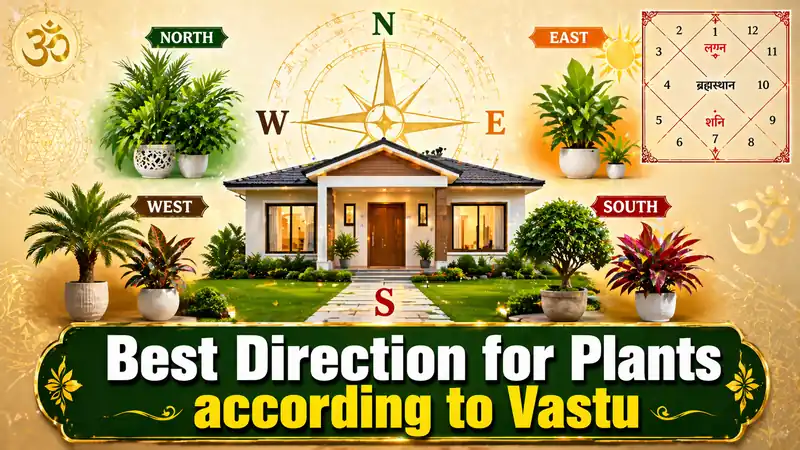
If you only remember one rule, remember this: lighter and smaller plants are generally preferred in the north, east, and northeast, while heavier and taller trees are usually better in the south, west, and southwest. The northeast is commonly kept lighter and more open, because heavy trees there are believed to block morning light and create energetic heaviness where openness is preferred.
So when people ask about the best direction for plants according to Vastu, the answer depends on the type of plant. Tulsi and other smaller, useful plants are commonly associated with the east, north, or northeast. Bigger trees are more often discussed for the south and west sides, where they are seen as protective and stabilizing rather than obstructive.
This matters in real life because a plant is not only decoration. It changes light, movement, visibility, moisture, and the emotional feel of a space.
Which trees are good for home Vastu?
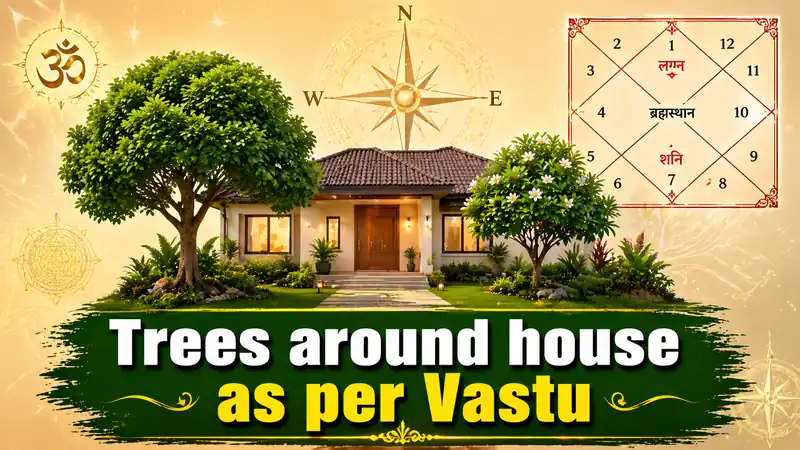
Across commonly ranking guidance, the trees most often treated as positive for home surroundings include Neem, Coconut, Ashoka, Lemon, Pomegranate, Sandalwood, Mango, and Amla. But even a “good” tree is not automatically good everywhere. Placement still matters. A beneficial species planted in a cramped, dark, or entrance-blocking position can still create problems.
That is why one factor alone should never be the basis of a final conclusion. The same combination does not work the same way for everyone.
Which tree is good in front of house as per Vastu?
This is one of the most searched questions because the front of the house feels symbolically important. Some commonly ranking pages specifically mention Ashoka as a favorable tree in front of the house, and several also include Neem, Champa, Palm, or Guava as workable front-yard choices. But the deeper point is not just the name of the tree. It is whether that tree keeps the entrance welcoming, visible, and proportionate.
A front tree becomes problematic when it dominates the main door, blocks natural light, scratches walls, crowds the gate, or makes the entry feel heavy and shut. Even a spiritually positive tree can feel wrong if it stands too close or grows too large for the available space.
So if your real question is, “Can I have a tree in front of my home?” the practical answer is yes, sometimes. But it should not choke the entrance.
Guava tree in front of house as per Vastu: why this question confuses so many people
The guava tree is a good example of why broad rules can become misleading. Some commonly found pages describe the guava tree as favorable and even suggest east or northeast placement. Other guidance is more practical and says that the main issue is not the guava tree itself, but whether it blocks the entrance, becomes too heavy, or disturbs the openness expected in lighter zones.
So, if you are asking about guava tree in front of house as per Vastu, the safer answer is this: do not judge the situation by the species name alone. Check the direction, the distance from the house, the canopy spread, the shadow, and the effect on the main door. A general rule may not tell the full story.
Trees in South West Vastu: usually better, but not careless placement
Trees in South West Vastu are usually seen more positively than heavy trees in the northeast. In traditional Vastu thinking, the southwest is a heavier zone, so large and grounded trees there are often considered supportive. South and west tree placement is also repeatedly presented as protective, especially when north and east remain more open.
But this does not mean “plant anything large in the southwest and forget about it.” If the roots threaten the boundary wall, the trunk sits too near the foundation, or the shade turns the home dark and airless, the practical problem remains. Vastu does not ask you to ignore common sense.
Which plant is good for home entrance Vastu?
For the entrance area, people usually want plants that feel clean, alive, welcoming, and proportionate. Commonly suggested choices in Vastu-based content include Tulsi, Money Plant, Jade, Snake Plant, and Areca Palm, and similar softer entrance-friendly plants. On the other hand, thorny plants, cactus, dead plants, dried arrangements, and sometimes bonsai or milky-sap plants are often discouraged near the main door.
The reason is easy to understand even without going deep into symbolism. The main entrance is the first visual and energetic point of contact. If that space feels sharp, neglected, crowded, or lifeless, it changes the mood of the entire house.
What can go wrong if the planting is wrong?
This is where the topic becomes more than a list of good and bad plants. A wrongly placed tree can affect the house in three layers.
First, there is the physical layer.
Too much shade, dampness, blocked windows, falling leaves in drainage lines, root pressure, and damaged paving are all real concerns.
Second, there is the emotional layer.
A dark, blocked entrance can make a home feel mentally heavy. Many people sense that something is “off” long before they can explain it.
Third, there is the interpretive layer.
When people rely only on general online advice, they may either panic unnecessarily or ignore a genuine imbalance that should be corrected. That is why surface-level matching or broad rules often miss the deeper picture.
This is where a detailed Vastu review, and in some cases a full kundli or horoscope analysis, becomes important. Exact outcomes depend on the full chart and the full property layout, not one isolated factor. This can vary from chart to chart, and from house to house.
What to do if the tree is already there
Not every tree needs to be removed. In many cases, correction is more sensible than overreaction. If the tree is healthy and cannot be shifted, first check whether it is blocking the main gate, touching the structure, darkening the house excessively, or creating moisture and maintenance problems. Trimming, cleaning the entrance, reducing overgrowth, and stopping creepers from covering walls or ventilation paths can make a meaningful difference.
This is especially important if the decision affects peace at home, finances, health, or a property purchase. In sensitive matters, broad online interpretations should not be treated as final answers.
If you want clarity on your exact situation, a personalized analysis can help you understand whether the issue is really the tree, the direction, the entrance alignment, the plot layout, or a deeper Vastu imbalance that general information cannot fully identify.
Trees around house as per Vastu should be judged with balance, not fear. The right tree in the right direction can support the home beautifully, while the wrong plant in the wrong place can create avoidable heaviness. General guidance is useful for awareness, but exact clarity comes from looking at the full property and, where relevant, the personal chart behind the situation.
English FAQs
What is the basic rule for trees around house as per Vastu?
The basic rule is that larger and heavier trees are generally considered more suitable in the south, west, or southwest, while smaller and lighter plants are usually better in the north, east, and northeast. The idea is to keep the lighter zones open and avoid heaviness in the wrong part of the property.
Why do trees matter in Vastu?
Trees matter in Vastu because they affect more than just appearance. A well-placed tree can support privacy, stability, and protection, while a poorly placed tree can block light, create dampness, crowd the entrance, and even affect the structure through roots and constant shade.
Which trees are good for home Vastu?
Trees often considered positive for home Vastu include Neem, Coconut, Ashoka, Lemon, Pomegranate, Sandalwood, Mango, and Amla. However, even a beneficial tree may create problems if it is planted in the wrong direction or too close to the entrance or structure.
Which tree is good in front of house as per Vastu?
Ashoka is commonly mentioned as a favorable tree in front of the house, and some guidance also includes Neem, Champa, Palm, or Guava. But the real consideration is not just the tree’s name. It is whether the tree keeps the entrance open, visible, welcoming, and proportionate.
Is a guava tree in front of house good as per Vastu?
A guava tree may be considered acceptable in some cases, but it should not be judged by species name alone. The direction, distance from the house, canopy spread, shadow, and effect on the main entrance all matter. A general rule may not tell the full story.
What is the best direction for plants according to Vastu?
The best direction depends on the type of plant. Smaller, lighter, and useful plants such as Tulsi are usually preferred in the north, east, or northeast. Larger and heavier trees are generally seen as more suitable in the south, west, or southwest.
Are trees in South West Vastu considered good?
Trees in the southwest are often considered more suitable than heavy trees in the northeast because the southwest is treated as a heavier zone in Vastu. Large trees there are often viewed as stabilizing and protective, but they should still not damage the wall, foundation, or natural light of the home.
Which plant is good for home entrance Vastu?
Plants commonly considered suitable for the entrance include Tulsi, Money Plant, Jade, Snake Plant, and Areca Palm. These are often preferred because they feel fresh, balanced, and welcoming near the main door.
Which plants should be avoided near the main entrance as per Vastu?
Thorny plants, cactus, dead plants, dried arrangements, and sometimes bonsai or milky-sap plants are often avoided near the main entrance. The concern is that the entrance should feel open, clean, and positive rather than sharp, blocked, or lifeless.
What problems can wrong tree placement create?
Wrong tree placement can create practical problems such as too much shade, dampness, blocked windows, root pressure, and damaged paving. It can also make the entrance feel mentally heavy or closed, which is why placement needs to be judged carefully and not only by the type of tree.
What should you do if the tree is already there?
Not every tree needs to be removed. In many cases, trimming, cleaning the entrance area, reducing overgrowth, and preventing creepers from blocking walls or ventilation can improve the situation. The first step is to check whether the tree is blocking the gate, touching the structure, or making the house too dark or damp.
Is general Vastu advice enough for every house?
General Vastu advice is useful for awareness, but it is not always enough for an exact conclusion. The same rule does not apply in exactly the same way to every house. Direction, layout, entrance alignment, tree size, and in some cases even chart-specific factors may need deeper analysis.
Hindi Transcript (हिंदी प्रतिलेख)
वास्तु के अनुसार घर के आसपास पेड़: क्या लगाएँ, क्या न लगाएँ, और सही स्थान क्यों मायने रखता है
वास्तु के अनुसार घर के आसपास लगे पेड़ों को केवल हरियाली के आधार पर नहीं आँका जाता। असली बात यह है कि उनका स्थान, आकार, भार, छाया, और यह कि वह पौधा घर में खुलापन बढ़ाता है या गलत हिस्से में रुकावट पैदा करता है। सरल शब्दों में, वास्तु आमतौर पर बड़े पेड़ों को दक्षिण, पश्चिम, या दक्षिण-पश्चिम में अधिक अनुकूल मानता है, जबकि हल्के पौधे और जड़ी-बूटियाँ उत्तर, पूर्व, और उत्तर-पूर्व में बेहतर मानी जाती हैं।
यह सवाल आमतौर पर तब उठता है जब किसी को मुख्य द्वार के पास बड़ा पेड़ दिखता है, उत्तर-पूर्व में भारी पौधा होता है, या घर के आसपास एक अजीब-सा अंधकार या भारीपन महसूस होता है जिसे समझाना मुश्किल होता है। कभी चिंता व्यावहारिक होती है। कभी भावनात्मक। और अक्सर, दोनों होती हैं।
यदि आप घर बना रहे हैं, खरीद रहे हैं, या पहले से ऐसे घर में रह रहे हैं जहाँ प्रवेश द्वार के ठीक सामने पेड़ खड़ा है, तो यह बात पहली नज़र से अधिक महत्वपूर्ण लग सकती है। बहुत से लोग सामान्य ऑनलाइन नियम पढ़ते हैं, फिर भी असमंजस में रहते हैं क्योंकि वास्तविक उत्तर दिशा, पेड़ की प्रजाति, उसका आकार, और संपत्ति की पूरी बनावट पर निर्भर करता है।
इसीलिए सामान्य मार्गदर्शन उपयोगी है, लेकिन इसे हर घर के लिए अंतिम सत्य नहीं मानना चाहिए।
सबसे पहले, वास्तु में पेड़ मायने क्यों रखते हैं
एक पेड़ घर को सहारा भी दे सकता है, और चुपचाप उसका संतुलन भी बिगाड़ सकता है। सही स्थान पर लगा पेड़ निजता, स्थिरता, और सुरक्षा का एहसास दे सकता है। गलत स्थान पर लगा पेड़ रोशनी रोक सकता है, प्रवेश को बंद-सा महसूस करा सकता है, नमी बढ़ा सकता है, खिड़कियों को घेर सकता है, और कुछ स्थितियों में जड़ों और लगातार छाया के कारण संरचना पर भी असर डाल सकता है। पारंपरिक वास्तु सलाह यह भी कहती है कि बड़े पेड़ घर के बहुत पास नहीं होने चाहिए, खासकर तब जब दिन में उनकी छाया घर पर अधिक पड़ती हो।
यही वह जगह है जहाँ बहुत लोग इस विषय को गलत समझते हैं। बात यह नहीं है कि “पौधे बुरे हैं” या “पेड़ हमेशा अच्छे होते हैं।” असली बात यह है कि क्या वह हरियाली घर को खुला, उजला, सांस लेने योग्य, और संतुलित बनाए रख रही है या नहीं।
वास्तु के अनुसार पेड़ों की दिशा: वह सामान्य नियम जिसे सबसे पहले समझना चाहिए
यदि आपको सिर्फ एक नियम याद रखना हो, तो यह याद रखें: हल्के और छोटे पौधे आमतौर पर उत्तर, पूर्व, और उत्तर-पूर्व में बेहतर माने जाते हैं, जबकि भारी और ऊँचे पेड़ दक्षिण, पश्चिम, और दक्षिण-पश्चिम में अधिक उपयुक्त माने जाते हैं। उत्तर-पूर्व को सामान्यतः हल्का और खुला रखा जाता है, क्योंकि वहाँ भारी पेड़ सुबह की रोशनी रोकते हैं और उस हिस्से में भारीपन पैदा करते हैं जहाँ खुलापन अधिक अनुकूल माना जाता है।
इसलिए जब लोग पूछते हैं कि वास्तु के अनुसार पौधों के लिए सबसे अच्छी दिशा कौन-सी है, तो उसका उत्तर पौधे के प्रकार पर निर्भर करता है। तुलसी और अन्य छोटे, उपयोगी पौधे सामान्यतः पूर्व, उत्तर, या उत्तर-पूर्व से जोड़े जाते हैं। बड़े पेड़ अधिकतर दक्षिण और पश्चिम की ओर उपयुक्त माने जाते हैं, जहाँ उन्हें अवरोधक नहीं बल्कि सुरक्षा और स्थिरता देने वाला माना जाता है।
वास्तविक जीवन में यह इसलिए भी महत्वपूर्ण है क्योंकि पौधा सिर्फ सजावट नहीं होता। वह रोशनी, आवाजाही, दृश्यता, नमी, और स्थान के भावनात्मक अनुभव को बदल देता है।
घर के वास्तु के लिए कौन-से पेड़ अच्छे माने जाते हैं?
आमतौर पर प्रचलित मार्गदर्शन में जिन पेड़ों को घर के आसपास सकारात्मक माना जाता है उनमें नीम, नारियल, अशोक, नींबू, अनार, चंदन, आम, आंवला, और इसी तरह के उपयोगी या पारंपरिक रूप से शुभ माने जाने वाले पेड़ शामिल हैं। लेकिन कोई “अच्छा” पेड़ हर जगह अपने-आप अच्छा नहीं हो जाता। स्थान फिर भी मायने रखता है। कोई लाभकारी प्रजाति भी यदि तंग, अंधेरे, या प्रवेश रोकने वाले स्थान पर लगाई जाए, तो समस्या पैदा कर सकती है।
इसीलिए केवल एक कारण के आधार पर अंतिम निष्कर्ष नहीं निकालना चाहिए। वही संयोजन हर व्यक्ति और हर घर में एक जैसा काम नहीं करता।
वास्तु के अनुसार घर के सामने कौन-सा पेड़ अच्छा माना जाता है?
यह सबसे अधिक खोजे जाने वाले सवालों में से एक है क्योंकि घर का सामने वाला हिस्सा प्रतीकात्मक रूप से बहुत महत्वपूर्ण माना जाता है। कई सामान्य मार्गदर्शक पृष्ठ विशेष रूप से अशोक को घर के सामने लगाने के लिए अनुकूल बताते हैं, और कई जगहों पर नीम, चंपा, पाम, या अमरूद को भी सामने वाले हिस्से के लिए उपयुक्त विकल्प माना जाता है। लेकिन असली बात सिर्फ पेड़ के नाम की नहीं है। असली बात यह है कि क्या वह पेड़ प्रवेश को स्वागतपूर्ण, स्पष्ट, और संतुलित बनाए रखता है या नहीं।
सामने का पेड़ तब समस्या बन जाता है जब वह मुख्य द्वार पर हावी हो जाए, प्राकृतिक रोशनी रोक दे, दीवारों से टकराए, गेट को घेर ले, या प्रवेश को भारी और बंद-सा महसूस कराए। आध्यात्मिक रूप से सकारात्मक माना जाने वाला पेड़ भी गलत लग सकता है यदि वह बहुत पास हो या उपलब्ध स्थान के लिए बहुत बड़ा बढ़ जाए।
इसलिए यदि आपका असली सवाल यह है, “क्या मैं अपने घर के सामने पेड़ रख सकता हूँ?” तो व्यावहारिक उत्तर है, हाँ, कभी-कभी। लेकिन वह प्रवेश को जाम नहीं करना चाहिए।
वास्तु के अनुसार घर के सामने अमरूद का पेड़: यह सवाल इतने लोगों को भ्रमित क्यों करता है
अमरूद का पेड़ इस बात का अच्छा उदाहरण है कि सामान्य नियम कैसे भ्रमित कर सकते हैं। कुछ सामान्य पृष्ठ अमरूद के पेड़ को शुभ बताते हैं और यहाँ तक कि उसे पूर्व या उत्तर-पूर्व में लगाने की सलाह भी देते हैं। दूसरी ओर, अधिक व्यावहारिक मार्गदर्शन कहता है कि मुख्य बात अमरूद का पेड़ होना नहीं है, बल्कि यह है कि क्या वह प्रवेश को रोक रहा है, बहुत भारी हो रहा है, या उस खुलेपन को बिगाड़ रहा है जो हल्के क्षेत्रों में अपेक्षित होता है।
इसलिए, यदि आप पूछ रहे हैं कि वास्तु के अनुसार घर के सामने अमरूद का पेड़ कैसा है, तो अधिक सुरक्षित उत्तर यह है: केवल पेड़ की प्रजाति के आधार पर निर्णय न लें। दिशा देखें, घर से दूरी देखें, छतरी का फैलाव देखें, छाया देखें, और मुख्य द्वार पर उसके प्रभाव को समझें। कोई सामान्य नियम पूरी कहानी नहीं बताता।
दक्षिण-पश्चिम में पेड़ और वास्तु: आमतौर पर बेहतर, लेकिन लापरवाही से नहीं
दक्षिण-पश्चिम में लगे पेड़ों को आमतौर पर उत्तर-पूर्व के भारी पेड़ों की तुलना में अधिक अनुकूल माना जाता है। पारंपरिक वास्तु सोच में दक्षिण-पश्चिम एक भारी क्षेत्र माना जाता है, इसलिए वहाँ बड़े और स्थिर पेड़ों को सहायक माना जाता है। दक्षिण और पश्चिम में पेड़ों का स्थान भी बार-बार सुरक्षा देने वाला बताया जाता है, खासकर तब जब उत्तर और पूर्व अधिक खुले रहें।
लेकिन इसका मतलब यह नहीं है कि “दक्षिण-पश्चिम में कोई भी बड़ा पेड़ लगा दें और फिर उसकी चिंता न करें।” यदि जड़ें बाउंड्री वॉल को नुकसान पहुँचा रही हों, तना नींव के बहुत पास हो, या छाया घर को अंधेरा और घुटनभरा बना दे, तो व्यावहारिक समस्या फिर भी बनी रहती है। वास्तु आपको सामान्य समझ को नजरअंदाज करने के लिए नहीं कहता।
वास्तु के अनुसार घर के प्रवेश के लिए कौन-सा पौधा अच्छा होता है?
प्रवेश क्षेत्र के लिए लोग आमतौर पर ऐसे पौधे चाहते हैं जो साफ, जीवंत, स्वागतपूर्ण, और संतुलित महसूस हों। वास्तु-आधारित सामग्री में तुलसी, मनी प्लांट, जेड, स्नेक प्लांट, और अरेका पाम जैसे पौधों का सामान्यतः उल्लेख मिलता है। दूसरी ओर, कांटेदार पौधे, कैक्टस, सूखे पौधे, सूखी सजावटी व्यवस्था, और कभी-कभी बोन्साई या दूधिया रस वाले पौधे मुख्य द्वार के पास रखने से मना किए जाते हैं।
इसका कारण गहरे प्रतीकवाद में जाए बिना भी समझना आसान है। मुख्य प्रवेश घर का पहला दृश्य और ऊर्जात्मक संपर्क बिंदु होता है। यदि वह स्थान तीखा, उपेक्षित, भरा हुआ, या निर्जीव महसूस हो, तो वह पूरे घर के माहौल को बदल देता है।
यदि पेड़-पौधों की स्थिति गलत हो तो क्या समस्या हो सकती है?
यहीं पर यह विषय अच्छे और बुरे पौधों की सूची से आगे बढ़ जाता है। गलत स्थान पर लगा पेड़ घर को तीन स्तरों पर प्रभावित कर सकता है।
पहला, शारीरिक स्तर।
बहुत अधिक छाया, नमी, खिड़कियों का बंद होना, सूखे पत्तों का ड्रेनेज लाइनों में गिरना, जड़ों का दबाव, और फर्श या रास्ते का खराब होना — ये सभी वास्तविक समस्याएँ हैं।
दूसरा, भावनात्मक स्तर।
अंधेरा, रुका हुआ प्रवेश घर को मानसिक रूप से भारी महसूस करा सकता है। कई लोग यह महसूस करते हैं कि कुछ “ठीक नहीं” है, उससे पहले कि वे उसे शब्दों में समझा सकें।
तीसरा, व्याख्यात्मक स्तर।
जब लोग केवल सामान्य ऑनलाइन सलाह पर निर्भर रहते हैं, तो वे या तो बेवजह घबरा जाते हैं या फिर किसी वास्तविक असंतुलन को अनदेखा कर देते हैं जिसे सुधारने की जरूरत होती है। इसी कारण सतही मिलान या बहुत सामान्य नियम अक्सर गहरी तस्वीर को पकड़ नहीं पाते।
यहीं पर एक विस्तृत वास्तु समीक्षा, और कुछ मामलों में पूरी कुंडली या राशिफल विश्लेषण, महत्वपूर्ण हो जाता है। सटीक परिणाम केवल एक अकेले कारण पर नहीं, बल्कि पूरी कुंडली और पूरी संपत्ति की बनावट पर निर्भर करते हैं। यह व्यक्ति-दर-व्यक्ति और घर-दर-घर बदल सकता है।
यदि पेड़ पहले से लगा हुआ हो तो क्या करें
हर पेड़ को हटाना जरूरी नहीं होता। कई मामलों में अति-प्रतिक्रिया करने के बजाय सुधार करना अधिक समझदारी होती है। यदि पेड़ स्वस्थ है और उसे हटाया नहीं जा सकता, तो पहले यह देखें कि क्या वह मुख्य द्वार को रोक रहा है, संरचना को छू रहा है, घर को बहुत अधिक अंधेरा कर रहा है, या नमी और रखरखाव की समस्या पैदा कर रहा है। छंटाई करना, प्रवेश को साफ रखना, अतिरिक्त बढ़त कम करना, और बेलों को दीवारों या वेंटिलेशन पर चढ़ने से रोकना कई बार अर्थपूर्ण सुधार ला सकता है।
यह विशेष रूप से तब महत्वपूर्ण है जब निर्णय घर की शांति, वित्त, स्वास्थ्य, या संपत्ति खरीदने जैसे मामलों को प्रभावित करता हो। संवेदनशील मामलों में सामान्य ऑनलाइन व्याख्याओं को अंतिम उत्तर नहीं मानना चाहिए।
यदि आप अपनी स्थिति को लेकर स्पष्टता चाहते हैं, तो व्यक्तिगत विश्लेषण यह समझने में मदद कर सकता है कि असली समस्या वास्तव में पेड़ है, दिशा है, प्रवेश का संरेखण है, प्लॉट की बनावट है, या कोई गहरा वास्तु असंतुलन है जिसे सामान्य जानकारी पूरी तरह पहचान नहीं सकती।
वास्तु के अनुसार घर के आसपास पेड़ों को डर से नहीं, संतुलन से समझना चाहिए। सही दिशा में सही पेड़ घर को सुंदर सहारा दे सकता है, जबकि गलत जगह लगा पौधा अनावश्यक भारीपन पैदा कर सकता है। सामान्य मार्गदर्शन जागरूकता के लिए उपयोगी है, लेकिन सटीक स्पष्टता पूरी संपत्ति को देखकर और जहाँ आवश्यक हो, उस स्थिति से जुड़ी व्यक्तिगत कुंडली को समझकर ही मिलती है।
Hindi FAQs
वास्तु के अनुसार घर के आसपास पेड़ों का मूल नियम क्या है?
मूल नियम यह है कि बड़े और भारी पेड़ सामान्यतः दक्षिण, पश्चिम, या दक्षिण-पश्चिम में अधिक उपयुक्त माने जाते हैं, जबकि छोटे और हल्के पौधे उत्तर, पूर्व, और उत्तर-पूर्व में बेहतर माने जाते हैं। इसका उद्देश्य हल्के क्षेत्रों को खुला रखना और गलत हिस्से में भारीपन से बचना है।
वास्तु में पेड़ क्यों महत्वपूर्ण माने जाते हैं?
वास्तु में पेड़ इसलिए महत्वपूर्ण माने जाते हैं क्योंकि वे केवल सुंदरता को ही प्रभावित नहीं करते। सही स्थान पर लगा पेड़ निजता, स्थिरता, और सुरक्षा का सहारा दे सकता है, जबकि गलत स्थान पर लगा पेड़ रोशनी रोक सकता है, नमी बढ़ा सकता है, प्रवेश को तंग कर सकता है, और जड़ों तथा लगातार छाया के कारण संरचना पर भी असर डाल सकता है।
घर के वास्तु के लिए कौन-से पेड़ अच्छे माने जाते हैं?
घर के वास्तु के लिए सामान्यतः नीम, नारियल, अशोक, नींबू, अनार, चंदन, आम, और आंवला जैसे पेड़ों को सकारात्मक माना जाता है। हालांकि, कोई लाभकारी पेड़ भी समस्या पैदा कर सकता है यदि उसे गलत दिशा में या प्रवेश द्वार अथवा संरचना के बहुत पास लगाया जाए।
वास्तु के अनुसार घर के सामने कौन-सा पेड़ अच्छा माना जाता है?
अशोक को सामान्यतः घर के सामने लगाने के लिए अनुकूल माना जाता है, और कुछ मार्गदर्शन में नीम, चंपा, पाम, या अमरूद का भी उल्लेख मिलता है। लेकिन असली बात केवल पेड़ के नाम की नहीं है। महत्वपूर्ण यह है कि पेड़ प्रवेश को खुला, स्पष्ट, स्वागतपूर्ण, और संतुलित बनाए रखे।
क्या वास्तु के अनुसार घर के सामने अमरूद का पेड़ अच्छा माना जाता है?
कुछ स्थितियों में अमरूद का पेड़ स्वीकार्य माना जा सकता है, लेकिन उसका निर्णय केवल प्रजाति के नाम से नहीं करना चाहिए। दिशा, घर से दूरी, छतरी का फैलाव, छाया, और मुख्य प्रवेश पर उसका प्रभाव — ये सभी बातें महत्वपूर्ण हैं। कोई सामान्य नियम पूरी तस्वीर नहीं बताता।
वास्तु के अनुसार पौधों के लिए सबसे अच्छी दिशा कौन-सी है?
सबसे अच्छी दिशा पौधे के प्रकार पर निर्भर करती है। तुलसी जैसे छोटे, हल्के, और उपयोगी पौधे सामान्यतः उत्तर, पूर्व, या उत्तर-पूर्व में अधिक उपयुक्त माने जाते हैं। बड़े और भारी पेड़ सामान्यतः दक्षिण, पश्चिम, या दक्षिण-पश्चिम में बेहतर माने जाते हैं।
क्या दक्षिण-पश्चिम में पेड़ वास्तु के अनुसार अच्छे माने जाते हैं?
दक्षिण-पश्चिम में पेड़ों को अक्सर उत्तर-पूर्व में भारी पेड़ों की तुलना में अधिक उपयुक्त माना जाता है क्योंकि वास्तु में दक्षिण-पश्चिम को भारी क्षेत्र माना जाता है। वहाँ बड़े पेड़ों को स्थिरता और सुरक्षा देने वाला माना जाता है, लेकिन फिर भी उन्हें दीवार, नींव, या घर की प्राकृतिक रोशनी को नुकसान नहीं पहुँचाना चाहिए।
वास्तु के अनुसार घर के प्रवेश द्वार के लिए कौन-सा पौधा अच्छा होता है?
मुख्य प्रवेश के लिए तुलसी, मनी प्लांट, जेड, स्नेक प्लांट, और अरेका पाम जैसे पौधों को सामान्यतः उपयुक्त माना जाता है। इन्हें इसलिए पसंद किया जाता है क्योंकि ये मुख्य द्वार के पास ताजगी, संतुलन, और स्वागत का भाव देते हैं।
वास्तु के अनुसार मुख्य प्रवेश द्वार के पास किन पौधों से बचना चाहिए?
मुख्य प्रवेश के पास कांटेदार पौधों, कैक्टस, सूखे पौधों, सूखी सजावटी व्यवस्था, और कभी-कभी बोन्साई या दूधिया रस वाले पौधों से बचने की सलाह दी जाती है। चिंता यह होती है कि प्रवेश खुला, साफ, और सकारात्मक महसूस होना चाहिए, न कि तीखा, अवरुद्ध, या निर्जीव।
पेड़ की गलत स्थिति से कौन-सी समस्याएँ पैदा हो सकती हैं?
पेड़ की गलत स्थिति व्यावहारिक समस्याएँ पैदा कर सकती है जैसे बहुत अधिक छाया, नमी, खिड़कियों का बंद होना, जड़ों का दबाव, और फर्श या रास्ते का खराब होना। यह प्रवेश को मानसिक रूप से भारी या बंद-सा भी महसूस करा सकता है, इसलिए स्थिति को केवल पेड़ के प्रकार से नहीं बल्कि पूरी सावधानी से समझना चाहिए।
यदि पेड़ पहले से लगा हुआ हो तो क्या करना चाहिए?
हर पेड़ को हटाना जरूरी नहीं होता। कई मामलों में छंटाई करना, प्रवेश क्षेत्र को साफ रखना, अतिरिक्त बढ़त कम करना, और बेलों को दीवारों या वेंटिलेशन को ढकने से रोकना स्थिति को बेहतर बना सकता है। पहला कदम यह देखना है कि क्या पेड़ गेट को रोक रहा है, संरचना को छू रहा है, या घर को बहुत अधिक अंधेरा या नम बना रहा है।
क्या सामान्य वास्तु सलाह हर घर के लिए पर्याप्त होती है?
सामान्य वास्तु सलाह जागरूकता के लिए उपयोगी होती है, लेकिन हर घर के लिए सटीक निष्कर्ष देने के लिए हमेशा पर्याप्त नहीं होती। एक ही नियम हर घर पर बिल्कुल एक जैसा लागू नहीं होता। दिशा, लेआउट, प्रवेश का संरेखण, पेड़ का आकार, और कुछ मामलों में कुंडली से जुड़े तत्वों का भी गहराई से विश्लेषण करना पड़ सकता है।