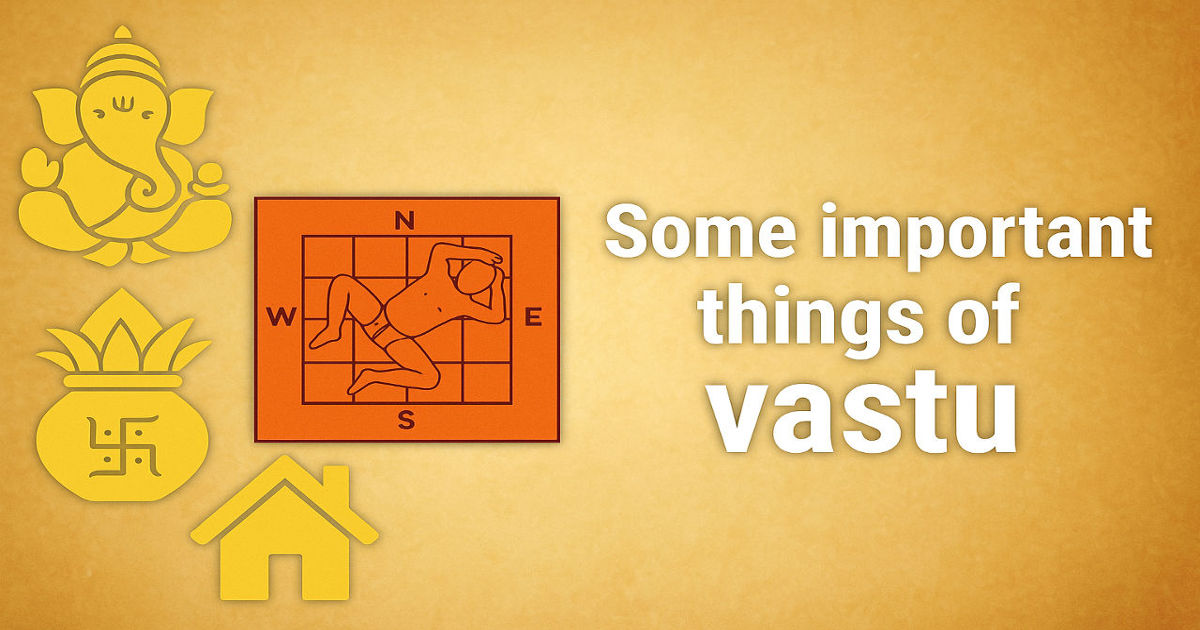
Important Points of Vastu Shastra for a Balanced Home
A home feels better when its energy feels balanced.
That is the simple idea behind the important points of Vastu Shastra. Vastu is an old Indian system of design that focuses on direction, space, light, airflow, and the placement of key areas in a home.
People usually turn to Vastu when a house feels unsettled. Sometimes the issue is constant stress. Sometimes it is poor sleep, frequent tension, or a general feeling that the space is not supporting daily life.
At its core, Vastu Shastra is about creating harmony between the home and the five natural elements—Earth, Water, Fire, Air, and Space. When the layout supports these elements, the space tends to feel calmer, lighter, and easier to live in.

Why people search for the important points of Vastu Shastra
Most people are not looking for complex theory.
They want to know what actually matters. They want to know which rules are essential, which mistakes are serious, and what can realistically be improved in a modern flat, apartment, or house.
That is why the important points of Vastu Shastra should always be explained in a simple and practical way. A long list of directions is not enough. People want guidance they can actually use.
What are the worst mistakes for Vastu?
The worst Vastu mistakes are usually the ones that disturb the most sensitive parts of the home.
A cluttered main entrance is one of them. A blocked or heavy north-east area is another. Toilets in the north-east, major clutter in the center of the house, fire and water placed too close in the kitchen, and poor bedroom direction are also commonly seen as serious issues.
These problems matter more because they affect the overall feel of the home. They can make a place feel cramped, heavy, restless, or disorganized.
Not every small Vastu mismatch creates a major problem. But when the key zones are disturbed, the imbalance becomes harder to ignore.
What are the 9 elements of Vastu?
This question often causes confusion.
Traditionally, Vastu is based on five elements: Earth, Water, Fire, Air, and Space. These are the real elemental foundations of Vastu Shastra.
But when people ask about the 9 elements of Vastu, they are usually referring to the eight directions plus the center of the house.
In simple terms, these nine zones are North, North-East, East, South-East, South, South-West, West, North-West, and the Brahmasthan, which is the center.
So if someone searches for the 9 elements of Vastu, they are usually trying to understand the main directional energy zones of a house.

Important points of Vastu Shastra every homeowner should know
The main entrance matters a lot
The entrance sets the tone for the entire home.
In Vastu, the main door is one of the most important areas because it is seen as the point where energy enters. North, East, and North-East are generally considered favorable directions for the main entrance.
But direction is only one part of it. A clean, well-lit, and welcoming entrance also matters. A broken, dark, or cluttered entrance can make the whole home feel dull from the start.
The north-east should stay light and clean
The north-east is one of the most sensitive zones in Vastu.
This area is often linked with clarity, peace, and spiritual energy. That is why it is usually considered a good place for prayer, meditation, or a quiet corner.
It should not be used as a dumping area. Heavy furniture, dark storage, or daily clutter in the north-east can make the space feel blocked and mentally tiring.
The kitchen should support the fire element
The kitchen is strongly connected with fire.
That is why the south-east is usually considered the best location for it. This direction is believed to align naturally with the fire element and daily activity.
Another important point is the relationship between fire and water. The stove and sink should not feel like they are fighting for space. A badly planned kitchen often feels chaotic, even if the rest of the house is fine.
The master bedroom should feel stable
A bedroom should support rest, not tension.
In Vastu, the south-west is commonly seen as the best place for the master bedroom because it is associated with stability and grounding.
The sleeping direction also matters in traditional guidance. Many people avoid sleeping with their head toward the north. Whether or not one follows every rule strictly, the larger idea is clear: the bedroom should feel calm, settled, and secure.
The center of the house should stay open
The center of the home is often overlooked.
In Vastu, this central area is called the Brahmasthan. It is meant to stay as open and light as possible so energy can move freely through the house.
When the center is blocked with heavy furniture, storage, or poor layout planning, the whole home can start feeling cramped. Even a beautiful home can feel uncomfortable if its center feels stuck.
Toilets should be placed carefully
Toilet placement is one of the most discussed parts of Vastu.
The north-east is usually avoided for toilets because it is considered too sensitive for that kind of function. The south-west is also generally not preferred.
West and north-west are more commonly accepted in many Vastu-based layouts. In practical terms, this reflects a simple idea: not every function belongs in every zone.
The pooja room needs a peaceful location
A prayer space should feel naturally calm.
That is why the north-east is often considered the best place for a pooja room. East and north are also commonly preferred in some homes.
More than anything, this area should be quiet, clean, and uncluttered. A pooja room should not feel squeezed between storage items or placed in a visually disturbed part of the house.
Light and fresh air are essential
A home that gets light and air usually feels better.
This is one of the most practical parts of Vastu Shastra. Natural light, fresh airflow, and open movement improve the feel of a home immediately.
Dark corners, stale rooms, and blocked windows can change the mood of a space without anyone realizing why. Good energy often begins with good ventilation and daylight.
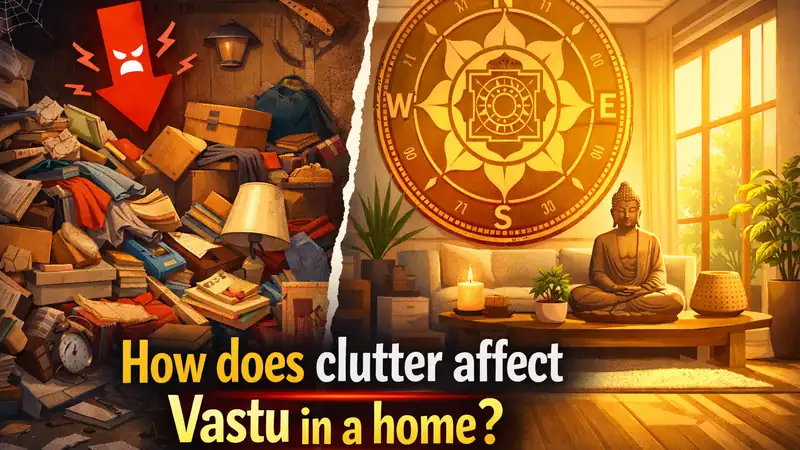
Clutter is a bigger problem than people think
Clutter changes the energy of a home very quickly.
Broken items, unused objects, overcrowded furniture, dead plants, and random storage build-up can make a house feel heavy. This is especially true when clutter gathers near the entrance, the center, or the north-east.
One of the most useful important points of Vastu Shastra is also one of the simplest: remove what no longer serves the space.
Heavy furniture should be placed mindfully
Weight distribution matters in Vastu.
Heavy cupboards, storage units, and bulky furniture are generally better suited to the south, west, or south-west parts of the house. These zones are associated with stability and support.
Lighter zones like the north-east and the center should not feel burdened. When heavy items are pushed into the wrong places, the house can start feeling visually and energetically unbalanced.
Water placement needs attention
Water is another major element in Vastu.
Water-related features are often preferred in the north-east or east. This includes underground water storage, small water features, or symbolic water placement in some interpretations.
The main idea is to avoid conflict between water and fire zones. This is why water placement is usually not favored in the south-east, which is linked with fire.
Colors also influence the feel of a home
Color does not replace layout, but it still matters.
Light shades such as white, cream, beige, and soft pastels are often preferred in Vastu because they make a space feel more open and peaceful.
Stronger or warmer tones may be used carefully in activity-based areas like the kitchen. The goal is not to decorate by rule, but to create visual balance that supports the function of the room.
A simple way to understand the important points of Vastu Shastra
If all of this feels like too much, remember the basics.
Keep the entrance clean.
Keep the north-east light.
Keep the kitchen aligned with the fire element.
Keep the master bedroom in a stable zone.
Keep the center open.
Keep clutter under control.
These are the important points of Vastu Shastra that matter most in everyday life. They are also the areas where even small improvements can make a home feel noticeably better.
Final thought
A home rarely feels disturbed because of one tiny defect.
More often, problems build slowly when the entrance is neglected, the center is blocked, the north-east is heavy, the bedroom feels unstable, or the kitchen is poorly arranged. Over time, the house starts feeling harder to live in, even if nothing looks obviously wrong.
That is why it helps to look at the main issues early and correct the ones that truly matter. And when the imbalance feels deeper than simple layout changes can explain, clear guidance from an experienced Vastu expert can help bring direction before the discomfort becomes a permanent part of daily life.
English FAQs
What are the important points of Vastu Shastra?
The important points of Vastu Shastra focus on maintaining balance in a home through proper direction, space planning, light, airflow, and room placement. Key areas include a clean and well-positioned entrance, a light and uncluttered north-east, a properly aligned kitchen, a stable master bedroom location, an open center, and minimal clutter throughout the home.
Why is the main entrance important in Vastu Shastra?
The main entrance is important because it is considered the point where energy enters the home. A clean, well-lit, and welcoming entrance can make the entire house feel more positive, while a dark, broken, or cluttered entrance can affect the overall feel of the space.
What are the worst mistakes for Vastu?
The worst Vastu mistakes include a cluttered entrance, a blocked or heavy north-east area, toilets in the north-east, excessive clutter in the center, poor kitchen planning with fire and water placed too close, and incorrect bedroom direction. These issues can make the home feel heavy, restless, or disorganized.
What are the 9 elements of Vastu?
The 9 elements of Vastu usually refer to the eight directions plus the center of the house. These include North, North-East, East, South-East, South, South-West, West, North-West, and the Brahmasthan, which is the central zone of the home.
Why should the north-east be kept clean and light?
The north-east is considered one of the most sensitive areas in Vastu and is linked with clarity and peace. Keeping it clean, light, and free from heavy objects helps maintain a calm and positive environment in the home.
Where should the kitchen be placed according to Vastu?
The kitchen is ideally placed in the south-east direction as it aligns with the fire element. It is also important to keep the stove and sink well separated to avoid conflict between fire and water energies.
Why is the center of the house important in Vastu?
The center of the house, known as the Brahmasthan, should remain open and uncluttered to allow energy to flow freely. A blocked or crowded center can make the entire home feel cramped and uncomfortable.
How does clutter affect Vastu in a home?
Clutter can make a home feel heavy and disorganized. Broken items, unused objects, and overcrowded spaces especially near the entrance, center, or north-east can disturb the overall balance and comfort of the home.
What is a simple way to follow Vastu Shastra?
A simple way to follow Vastu Shastra is to keep the entrance clean, maintain a light north-east, place the kitchen properly, ensure a stable bedroom, keep the center open, and reduce clutter. These steps cover the most important aspects of Vastu in everyday life.
Hindi Transcript (हिंदी प्रतिलेख)
संतुलित घर के लिए वास्तु शास्त्र के महत्वपूर्ण बिंदु
घर तब बेहतर महसूस होता है जब उसकी ऊर्जा संतुलित होती है।
यही वास्तु शास्त्र के महत्वपूर्ण बिंदुओं के पीछे का सरल विचार है। वास्तु एक प्राचीन भारतीय प्रणाली है जो दिशा, स्थान, रोशनी, वायु प्रवाह और घर के प्रमुख हिस्सों के सही स्थान पर ध्यान देती है।
लोग आमतौर पर तब वास्तु की ओर आते हैं जब घर अस्थिर महसूस होता है। कभी समस्या लगातार तनाव की होती है, कभी नींद ठीक नहीं आती, बार-बार तनाव रहता है या घर का माहौल दैनिक जीवन का समर्थन नहीं करता।
अपने मूल में, वास्तु शास्त्र घर और पंच तत्वों—पृथ्वी, जल, अग्नि, वायु और आकाश—के बीच सामंजस्य बनाने का प्रयास करता है। जब योजना इन तत्वों का समर्थन करती है, तो घर अधिक शांत और रहने में आसान महसूस होता है।
लोग इन बिंदुओं को क्यों खोजते हैं
अधिकतर लोग जटिल सिद्धांत नहीं चाहते।
वे जानना चाहते हैं कि वास्तव में क्या महत्वपूर्ण है, कौन-से नियम आवश्यक हैं और आधुनिक फ्लैट या घर में क्या व्यावहारिक रूप से सुधारा जा सकता है। इसलिए इन बिंदुओं को सरल और व्यावहारिक तरीके से समझाना महत्वपूर्ण है।
वास्तु की सबसे बुरी गलतियाँ
सबसे बुरी गलतियाँ उन क्षेत्रों को प्रभावित करती हैं जो सबसे संवेदनशील हैं।
अव्यवस्थित मुख्य द्वार, भारी या बाधित उत्तर-पूर्व क्षेत्र, उत्तर-पूर्व में शौचालय, घर के केंद्र में अत्यधिक अव्यवस्था, रसोई में अग्नि और जल का बहुत पास होना, और गलत दिशा में शयनकक्ष गंभीर समस्याएँ मानी जाती हैं।
ये समस्याएँ समग्र अनुभव को भारी, बेचैन या अव्यवस्थित बना सकती हैं। जब मुख्य क्षेत्रों में असंतुलन होता है, तो उसे नजरअंदाज करना कठिन हो जाता है।
वास्तु के 9 तत्व
परंपरागत रूप से, वास्तु पाँच तत्वों पर आधारित है: पृथ्वी, जल, अग्नि, वायु, और आकाश।
लेकिन जब लोग 9 तत्वों की बात करते हैं, तो वे आठ दिशाओं और केंद्र की बात कर रहे हैं—उत्तर, उत्तर-पूर्व, पूर्व, दक्षिण-पूर्व, दक्षिण, दक्षिण-पश्चिम, पश्चिम, उत्तर-पश्चिम, और ब्रह्मस्थान (केंद्र)।
इसलिए 9 तत्वों का मतलब मुख्य दिशात्मक क्षेत्रों को समझना है।
वास्तु शास्त्र के महत्वपूर्ण बिंदु जो हर गृहस्वामी को जानने चाहिए
मुख्य प्रवेश
प्रवेश घर की ऊर्जा के लिए महत्वपूर्ण है। उत्तर, पूर्व और उत्तर-पूर्व दिशाएँ अनुकूल मानी जाती हैं, लेकिन साफ, अच्छी रोशनी वाला और स्वागतपूर्ण प्रवेश द्वार भी उतना ही महत्वपूर्ण है।
उत्तर-पूर्व हल्का और साफ रखें
यह क्षेत्र स्पष्टता और शांति से जुड़ा है। इसे प्रार्थना या ध्यान के लिए इस्तेमाल किया जा सकता है, लेकिन भारी वस्तुओं या अव्यवस्था से बचें।
रसोई का स्थान
रसोई अग्नि तत्व से जुड़ी है, इसलिए दक्षिण-पूर्व दिशा सबसे अच्छी मानी जाती है। स्टोव और सिंक के बीच जगह रखें ताकि अग्नि और जल के बीच टकराव न हो।
मुख्य शयनकक्ष
शयनकक्ष आराम के लिए होना चाहिए। दक्षिण-पश्चिम दिशा स्थिरता और समर्थन प्रदान करती है।
घर का केंद्र खुला रखें
ब्रह्मस्थान को खुले और हल्का रखने से ऊर्जा सुचारु रूप से बहती है। भारी फर्नीचर या अव्यवस्था से बचें।
टॉयलेट की स्थिति
उत्तर-पूर्व में टॉयलेट से बचें; पश्चिम और उत्तर-पश्चिम अधिक स्वीकार्य होते हैं।
पूजा कक्ष
यह शांत और साफ स्थान होना चाहिए। उत्तर-पूर्व, पूर्व या उत्तर दिशाएँ अनुकूल मानी जाती हैं।
प्राकृतिक रोशनी और हवा
प्राकृतिक रोशनी और वायु घर को बेहतर महसूस कराती है। अंधेरे कोनों और बंद खिड़कियों से बचें।
अव्यवस्था से बचें
टूटी हुई चीजें, बेकार वस्तुएं और अव्यवस्था घर की ऊर्जा को भारी बनाती हैं, खासकर मुख्य प्रवेश, केंद्र या उत्तर-पूर्व में।
भारी फर्नीचर
भारी फर्नीचर को दक्षिण, पश्चिम या दक्षिण-पश्चिम में रखें; उत्तर-पूर्व और केंद्र में हल्का फर्नीचर रखें।
जल का स्थान
जल तत्व के लिए उत्तर-पूर्व या पूर्व दिशा उपयुक्त है; इसे अग्नि क्षेत्रों (जैसे दक्षिण-पूर्व) से दूर रखें।
रंगों का प्रभाव
हल्के और शांत रंग घर को खुला और शांत बनाते हैं।
सरल तरीका
प्रवेश साफ रखें, उत्तर-पूर्व हल्का रखें, रसोई में अग्नि तत्व का ध्यान रखें, शयनकक्ष स्थिर स्थान में रखें, केंद्र खुला रखें और अव्यवस्था नियंत्रित करें।
अंतिम विचार
छोटी-छोटी गलतियाँ बड़े असंतुलन का कारण नहीं बनतीं। लेकिन जब मुख्य क्षेत्र अवरुद्ध होते हैं, तो घर असहज महसूस होता है। इसलिए, जो महत्वपूर्ण है उसे ठीक करना और विशेषज्ञ से सलाह लेना उपयोगी होता है।
हिंदी FAQs
वास्तु शास्त्र के महत्वपूर्ण बिंदु क्या हैं?
इन बिंदुओं में सही दिशा, स्थान योजना, रोशनी, हवा, और कमरों की स्थिति शामिल है—जैसे साफ प्रवेश, हल्का उत्तर-पूर्व, सही रसोई, स्थिर शयनकक्ष, खुला केंद्र, और कम अव्यवस्था।
मुख्य प्रवेश क्यों महत्वपूर्ण है?
यह ऊर्जा का प्रवेश बिंदु है; साफ और स्वागतपूर्ण प्रवेश घर को सकारात्मक बनाता है।
सबसे बुरी गलतियाँ क्या हैं?
अव्यवस्थित प्रवेश, भारी उत्तर-पूर्व, उत्तर-पूर्व में टॉयलेट, केंद्र में अव्यवस्था, रसोई में अग्नि और जल का टकराव, और गलत शयनकक्ष दिशा।
वास्तु के 9 तत्व क्या हैं?
ये उत्तर, उत्तर-पूर्व, पूर्व, दक्षिण-पूर्व, दक्षिण, दक्षिण-पश्चिम, पश्चिम, उत्तर-पश्चिम और ब्रह्मस्थान (केंद्र) हैं।
उत्तर-पूर्व क्यों हल्का रखना चाहिए?
यह स्पष्टता और शांति से जुड़ा है; इसे हल्का और uncluttered रखने से सकारात्मक माहौल बनता है।
रसोई कहाँ होनी चाहिए?
दक्षिण-पूर्व दिशा आग तत्व के अनुरूप है; स्टोव और सिंक अलग रखें।
केंद्र क्यों महत्वपूर्ण है?
केंद्र खुले रहने पर ऊर्जा स्वतंत्र रूप से बहती है; अव्यवस्थित केंद्र घर को cramped महसूस करा सकता है।
अव्यवस्था का प्रभाव क्या है?
अव्यवस्था घर को भारी और disorganized बनाती है; विशेष रूप से मुख्य क्षेत्र में।
सरल तरीका क्या है?
साफ प्रवेश, हल्का उत्तर-पूर्व, सही रसोई, स्थिर शयनकक्ष, खुला केंद्र, और कम अव्यवस्था।